
There are hundreds of options of tools/gear available for dogs. While trainers and dog lovers may disagree on which tools are the best, all tools have their intended purposes. Here is some of the gear my dog Bean owns and information on each.
Collars
Let’s start simple. There are plenty of collars at every pet store you may visit, but some of them have extra functions that you may not know.
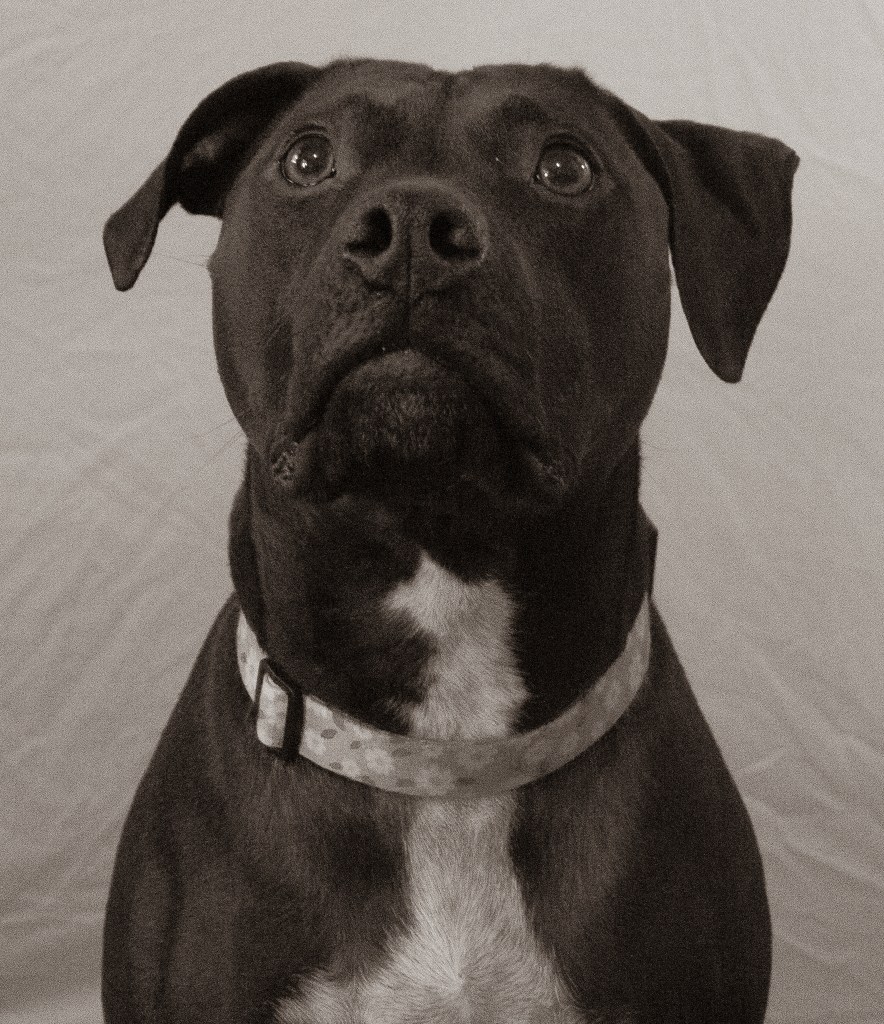
Flat Collar
This is the basic flat collar. They tend to be fairly lightweight and have a clip and a D-ring. These are great for wearing around the house or for dogs who don’t pull on a leash.
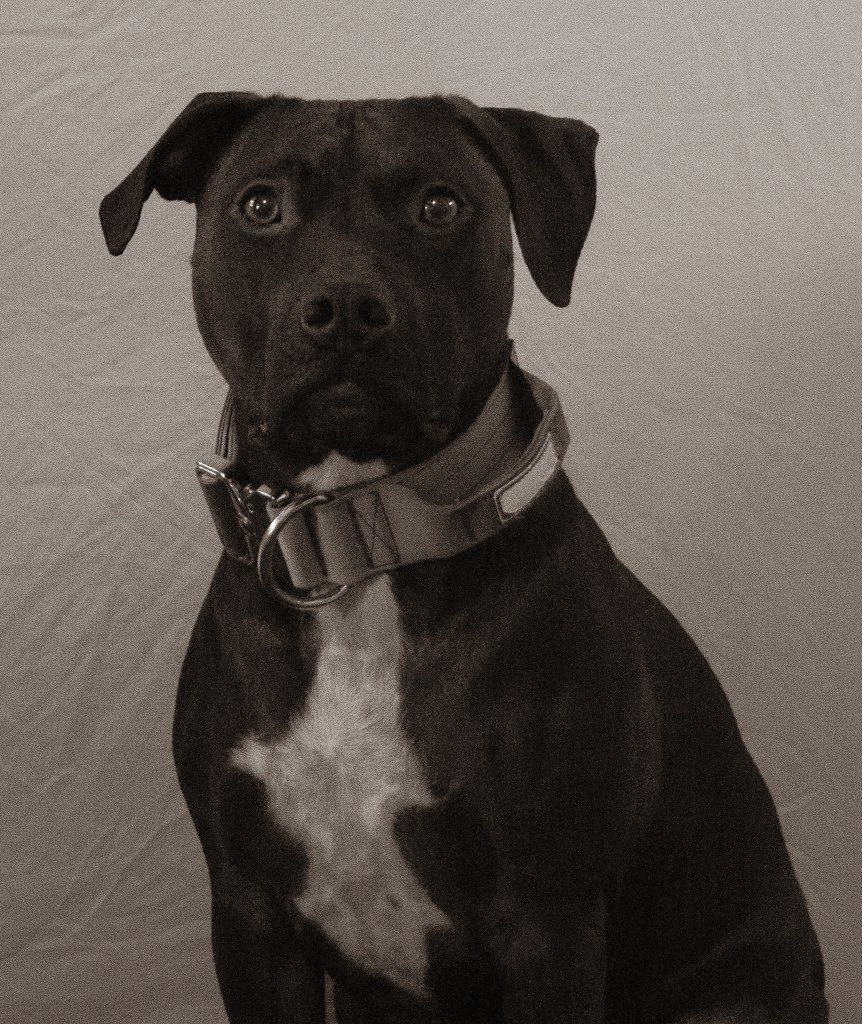
Heavy Duty Flat Collar
This is also a flat collar, but it is much bigger and has a metal tactical buckle instead of a plastic one. This exact collar also has a handle sewn into it, which makes the dog very easy to grab in emergencies. These are great for larger, stronger dogs or ones that require more handling. It can be more cumbersome for a pup to wear and may need to be removed for comfortable napping.
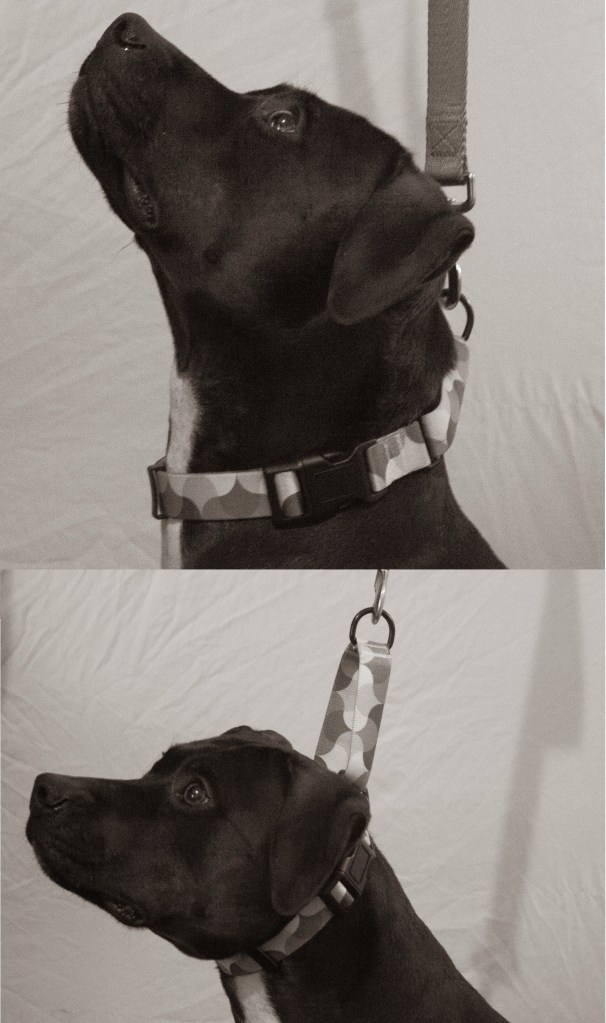
Martingale Collar
The notable feature of this collar is the second loop connecting the D-ring to the rest of the collar. When pressure is applied to the D-ring, the loop tightens, causing the collar to get significantly smaller. This collar is meant to be used for dogs who can slip out of a flat collar as the tightening prevents it from being able to slip over the dog’s head.
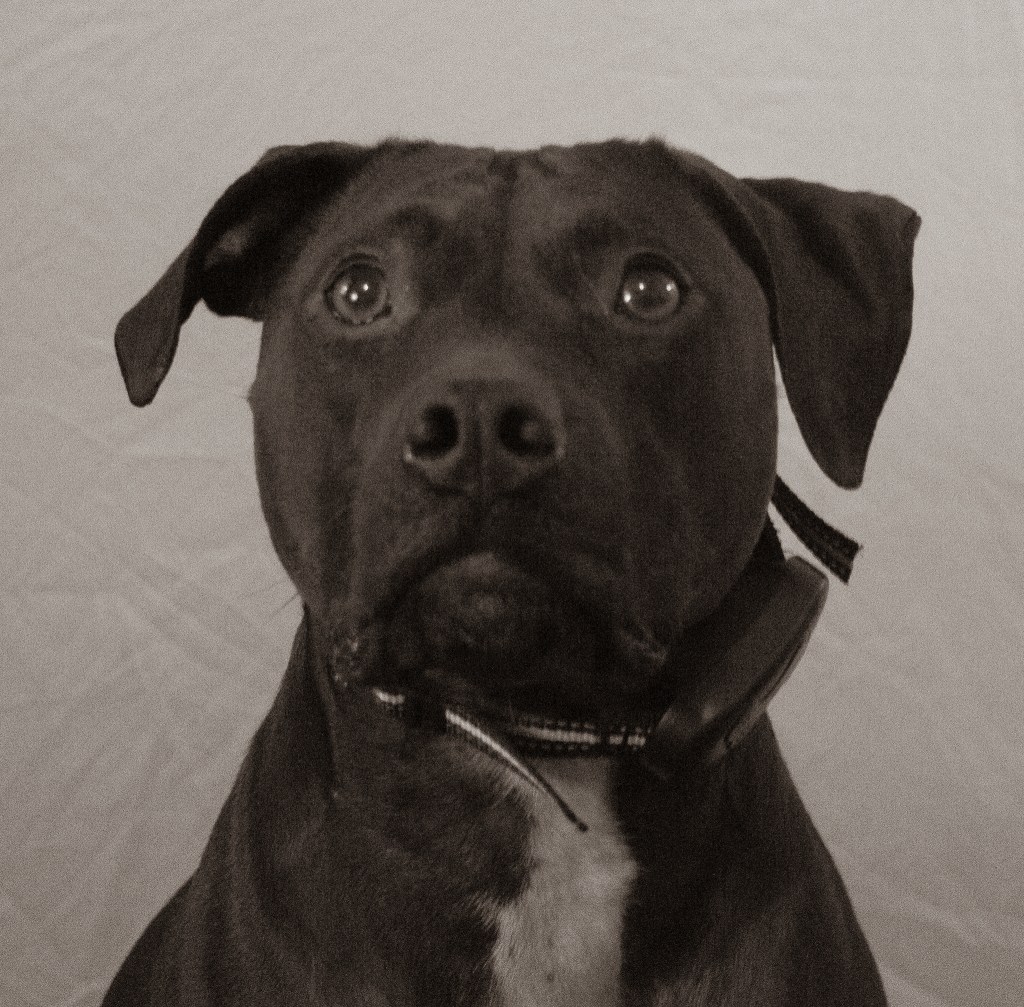
Electronic Collar (E-Collar)
E-collars may or may not have the ability to deliver shocks to a dog, they may also have a beep function that can be used for recalling a dog who isn’t in audible range. That is the main way we use ours, but ours also has a shock function in case of emergency. I would rather an uncomfortable dog than a dog in danger.

Prong Collar
This collar is made of blunt metal prongs that go around the front of a dog’s neck. The back of a prong collar usually has a chain and hook that functions similarly to a martingale, but when pressure is applied to a prong, it is transferred equally between the prongs. This can give the owners of strong dogs more control and peace of mind. Prong collars are also good for dogs who can’t use other tools, but choke themselves on a flat collar. Good prong collars come with a plate at the front that diverges the prongs from a dog’s throat. This is the only type of collar on this list that prevents a pulling dog from tracheal damage.
Harnesses
Harnesses can be great to prevent injury from pulling, and are good for dogs who can slip their collars. That being said, some dogs (like Bean) do not like wearing harnesses. That is one of the many reasons a dog may end up wearing a collar like a prong.
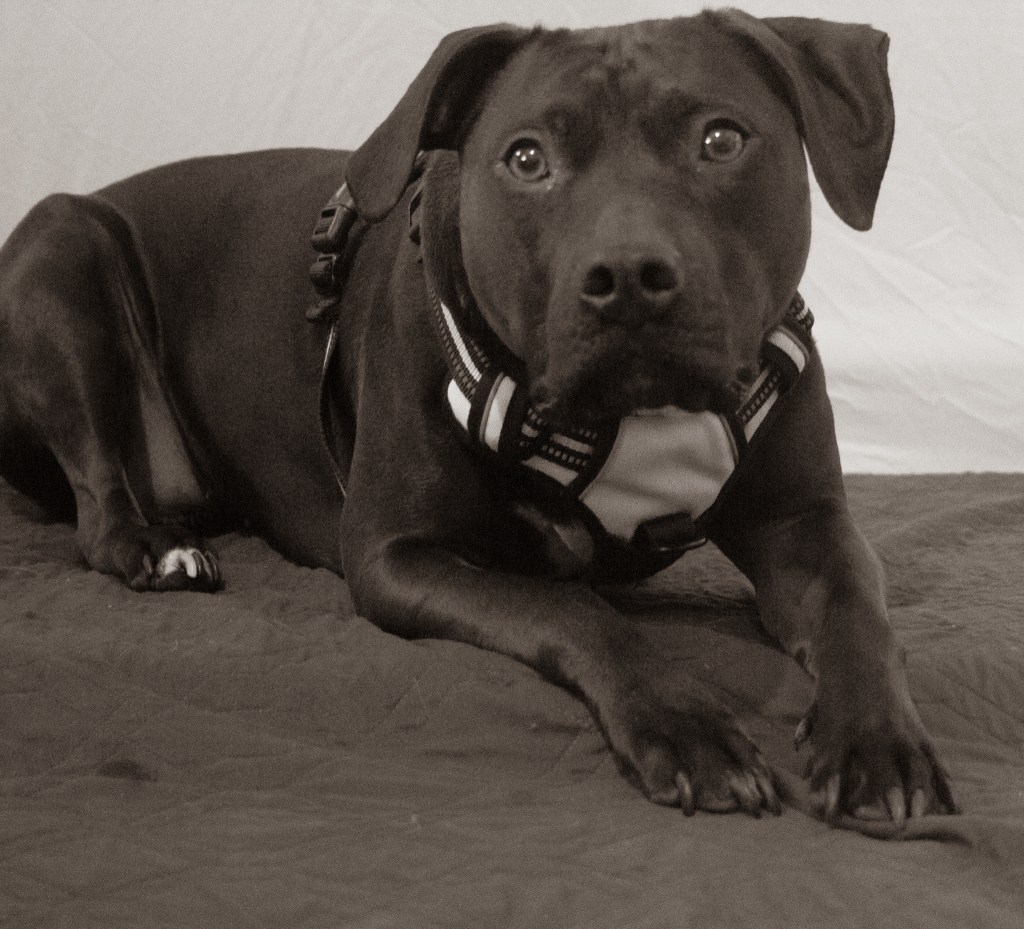
While there are a few different types of harnesses, I will be using the same one here to go over the important difference in most harnesses.
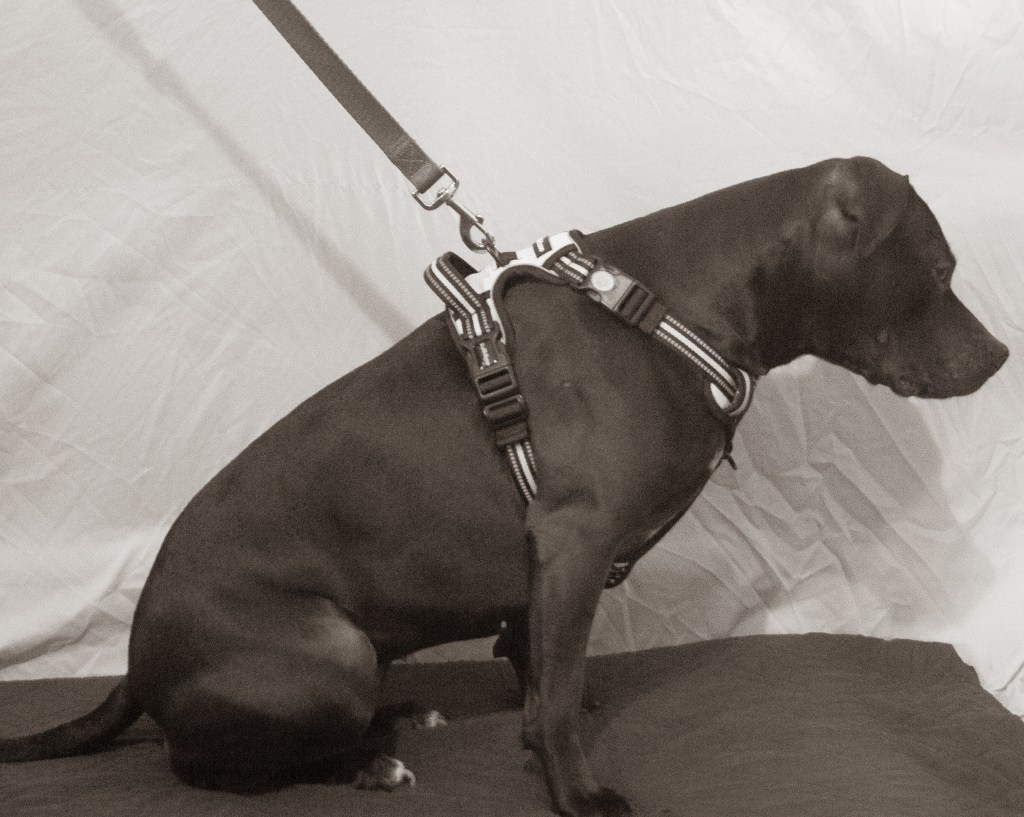
Back Clip Harness
This is the traditional back clip on harness. If your dog is not leash trained, they may pull more on a back clip harness as it causes less discomfort than other collars or a front clip harness. This is also a good option to pair with a long line to give your dog more freedom on walks.
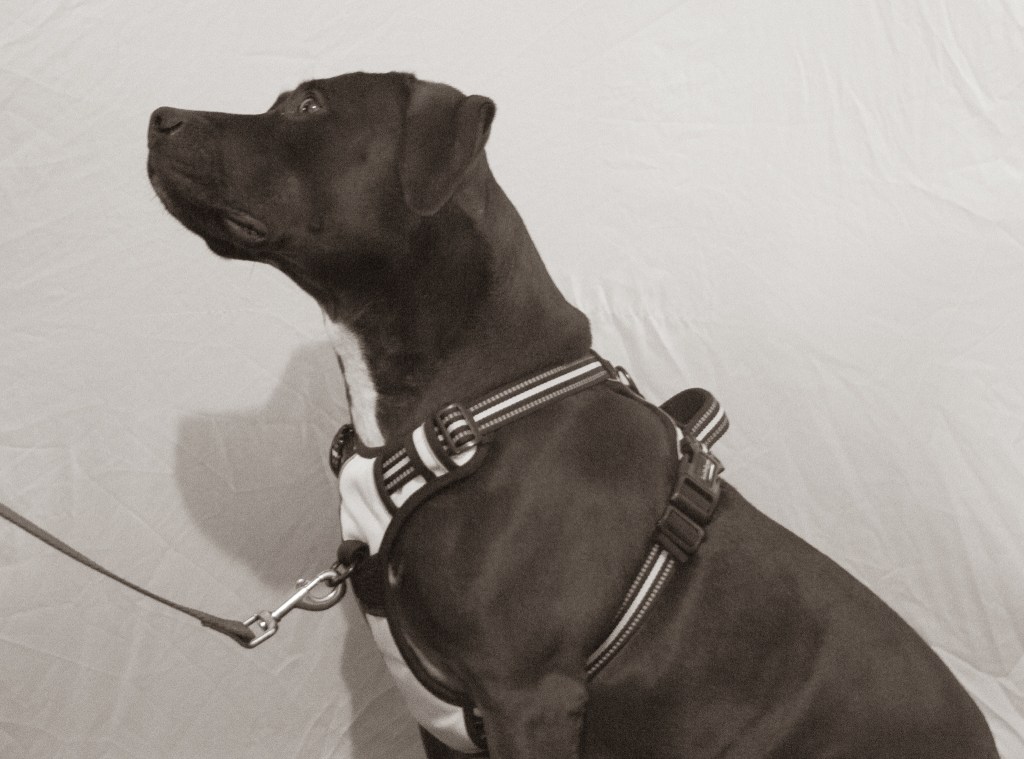
Front Clip Harness
Having a dog’s leash clip in the front of the harness can make it more uncomfortable for a dog to pull than a traditional harness. It can also be used for clipping a dog into the car with a dog seatbelt.
Apparel
Most dogs would be perfectly comfortable spending their entire life without wearing clothes. Some (mine included) would prefer it that way. That being said, a dog with very little fur, low body mass, or another condition that may impact their ability to stay warm, clothing may help them stay comfortable in the winter.
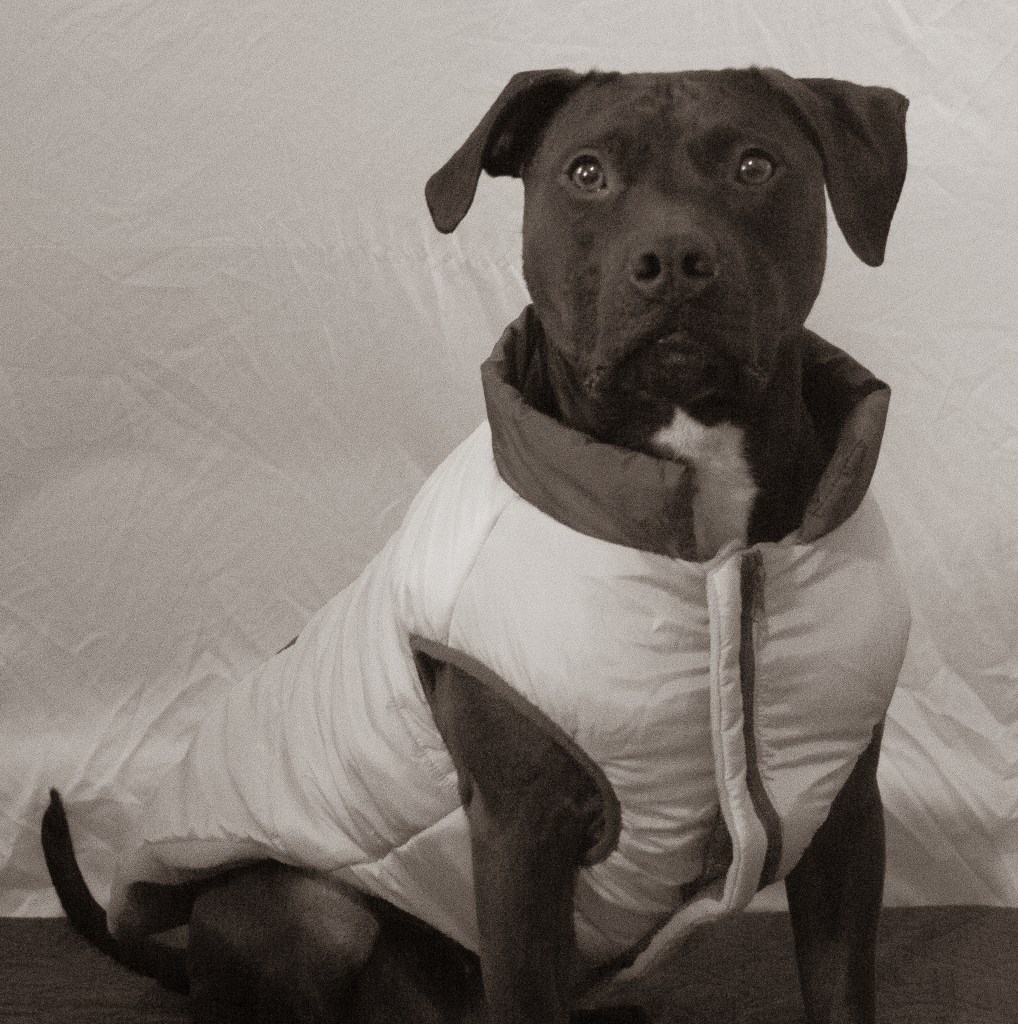
Coats
Dog puffer coats or rain jackets are some of the most functional kinds of dog apparel. If you have a dog that shivers in the winter or refuses to go outdoors in the rain, (and your dog doesn’t mind wearing clothes) these coats may help your dog stay comfortable outdoors.
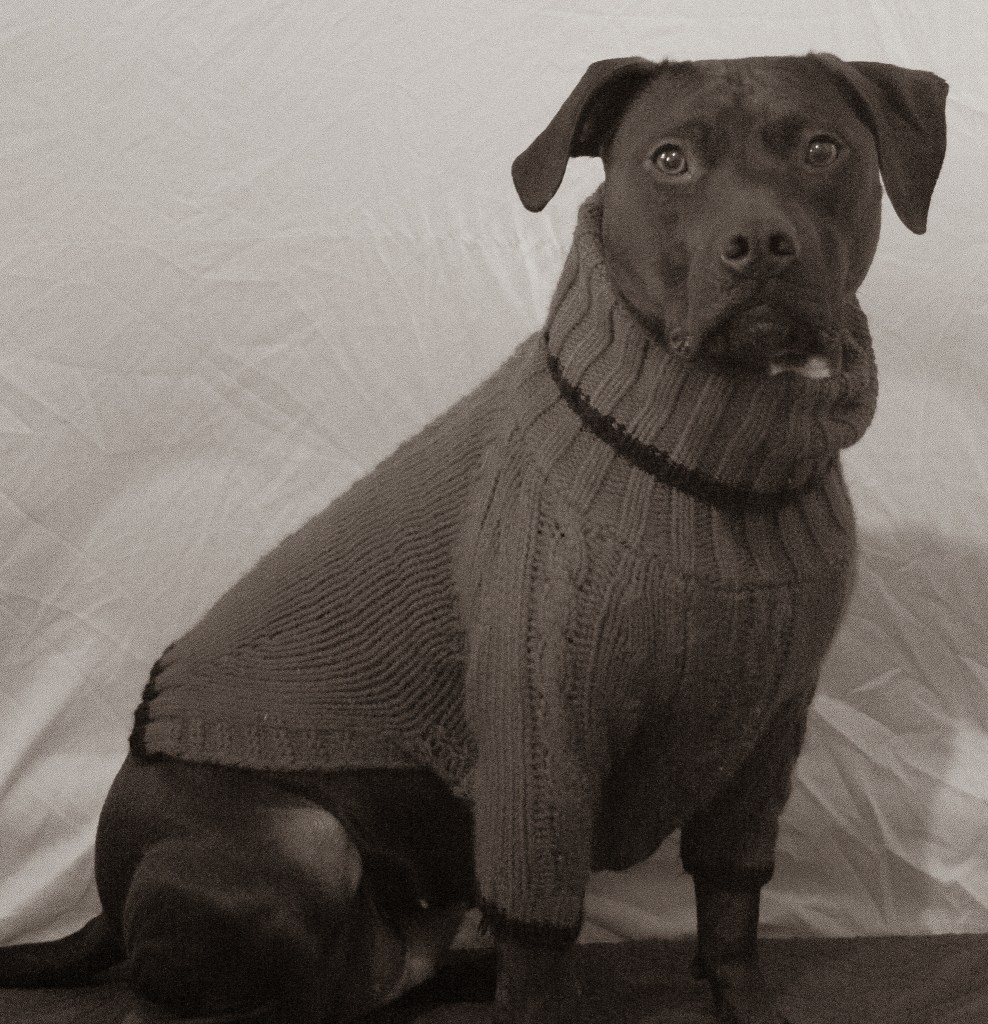
Sweaters
Just like coats, sweaters can be a good way to keep your dog warm in the winter. If your dog doesn’t mind them, it can also be a way to show off your dog’s personality or have a little fun with their style.
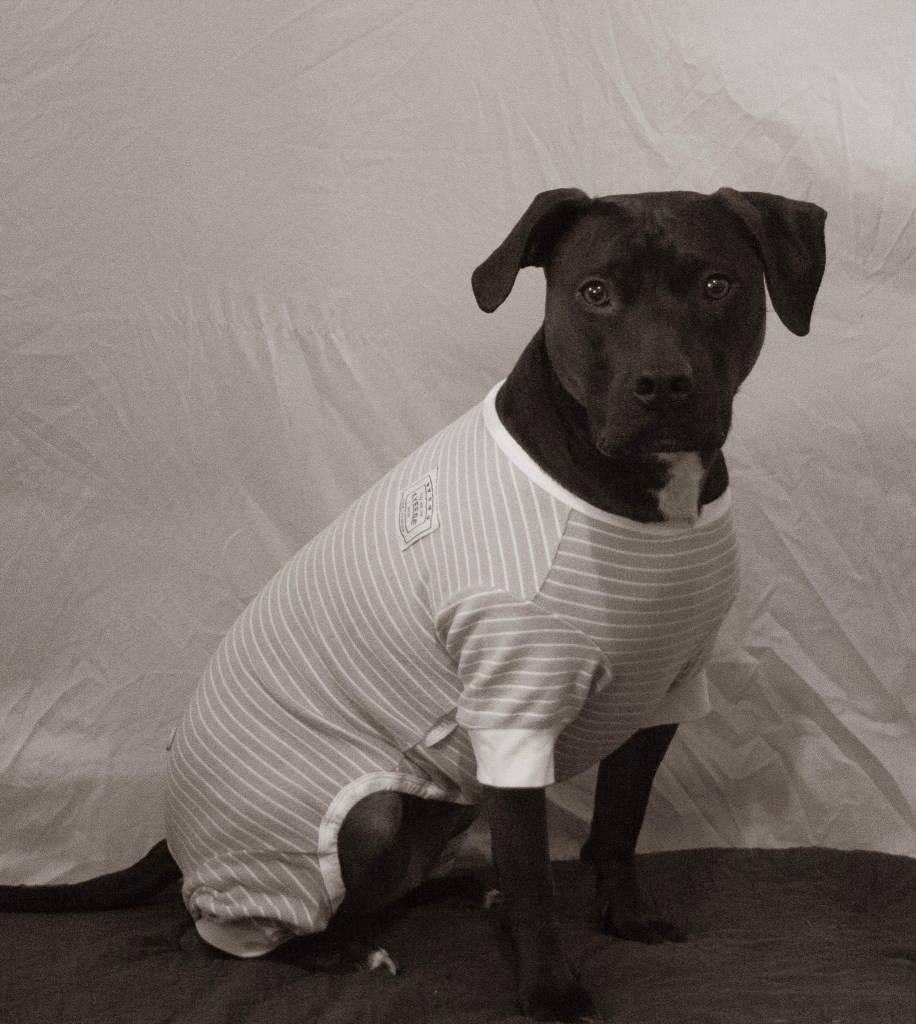
For Fun Clothes
Some clothes on the other hand, like this stripped onesie, have little to no practical use. For a dog like mine who does not like to put on or wear clothes, it is highly discouraged to force your pet to wear clothes just because it’s cute.
Footwear
Footwear for dogs may seem like a ridiculous idea, but some footwear can serve legitimate functions for certain dogs. Bean thinks wearing footwear is torture, so she was not expected to sit still long enough for me to get the perfect photos for this section.
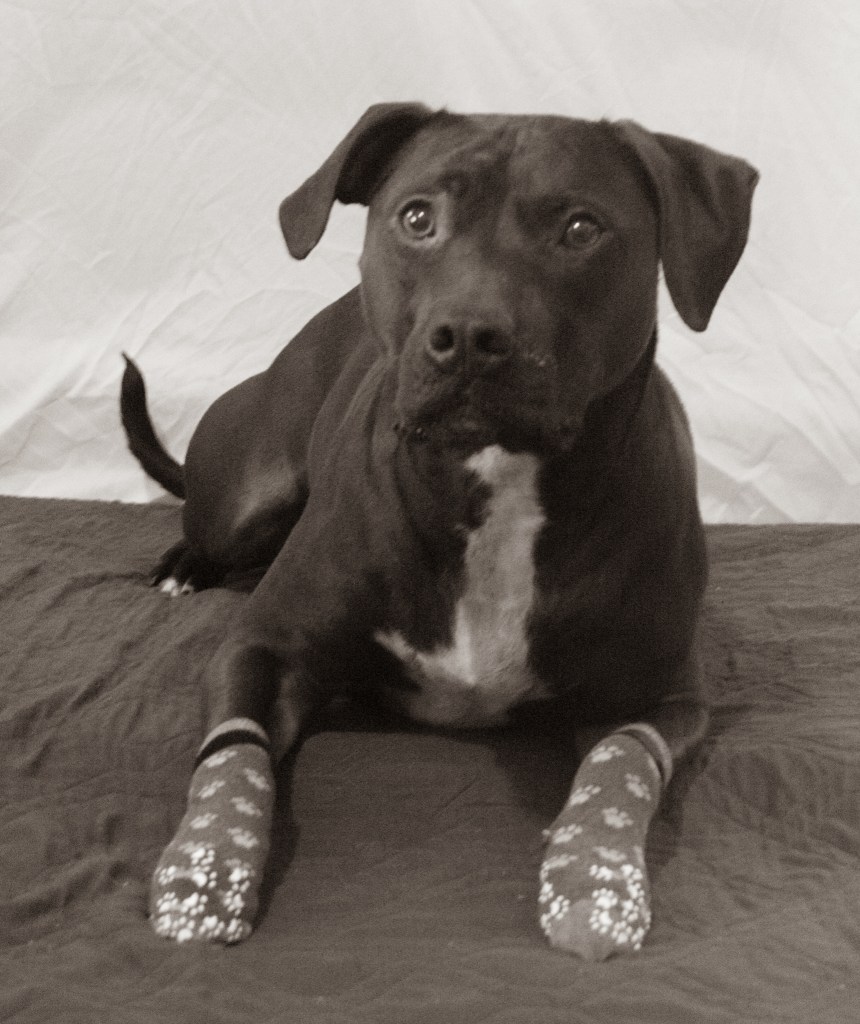
Non-Slip Socks
Non-slip socks can be great for dogs who are older or have mobility issues. If your dog has trouble moving around on tile or wood floors, non-slip socks may give them the traction they need to move around safely and confidently.
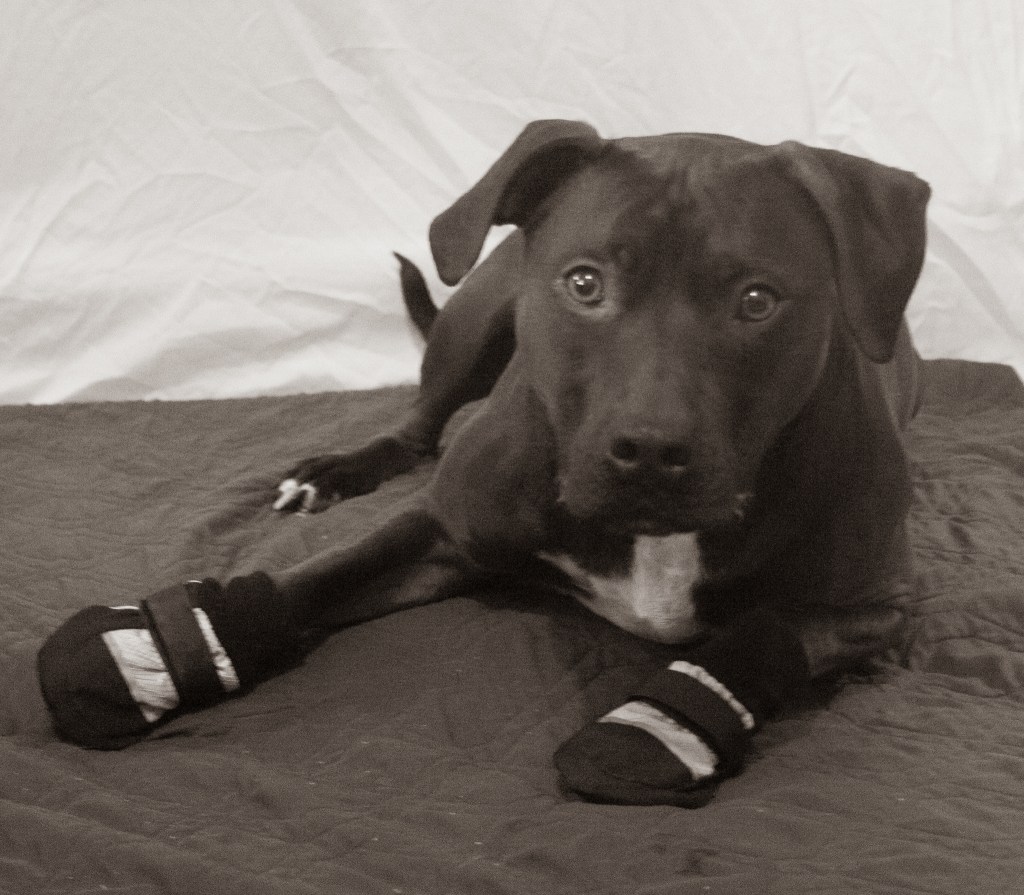
Shoes/Boots
Shoes/boots can be great to make dogs more comfortable walking on extremely hot/cold/wet surfaces. They can help prevent ice or snow buildup on pet’s paws, and can keep a dog’s paws safe in places where there might be salt or sharp things on the ground.
Leashes
Leashes are another tool that dog owners use every day. But there are so many options for leashes that it can be hard to figure out which matches your dog’s needs best.

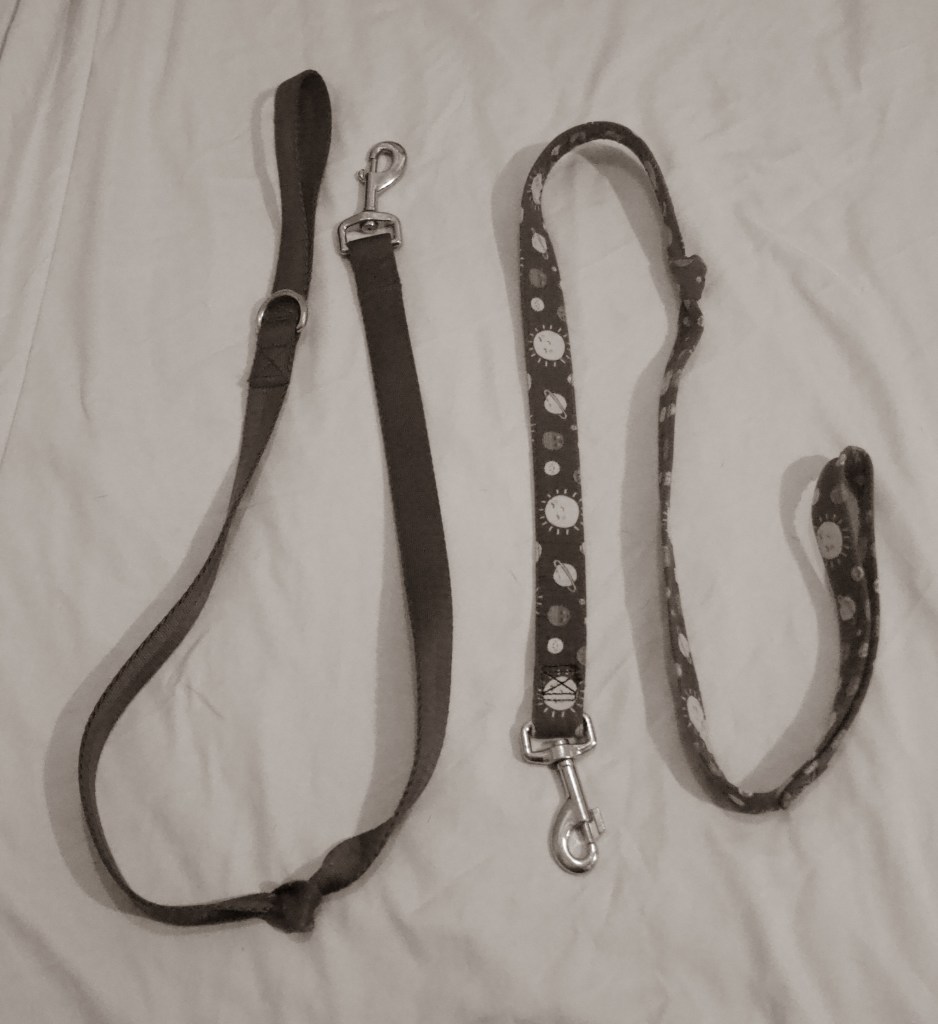
Slip Leash
Slip leashes are leashes with a handle on one end and an o-ring on the other. These leashes are great for leash training as they apply pressure equally around the dog’s neck. They can also be great leashes to have on hand in case of emergencies, as they can be used on a dog regardless of its size. Some slip leashes, like the one on the left, come with a bumper that can be adjusted to prevent the leash from over tightening around the dog’s neck.
Traditional Leashes
Traditional fabric leashes come in three main lengths: four feet, six feet, and eight feet. The length of leash your dog should have depends on where you walk them and how they behave. For example, dogs in residential areas who may react to dogs or people should not have a leash long enough to allow them into the road.
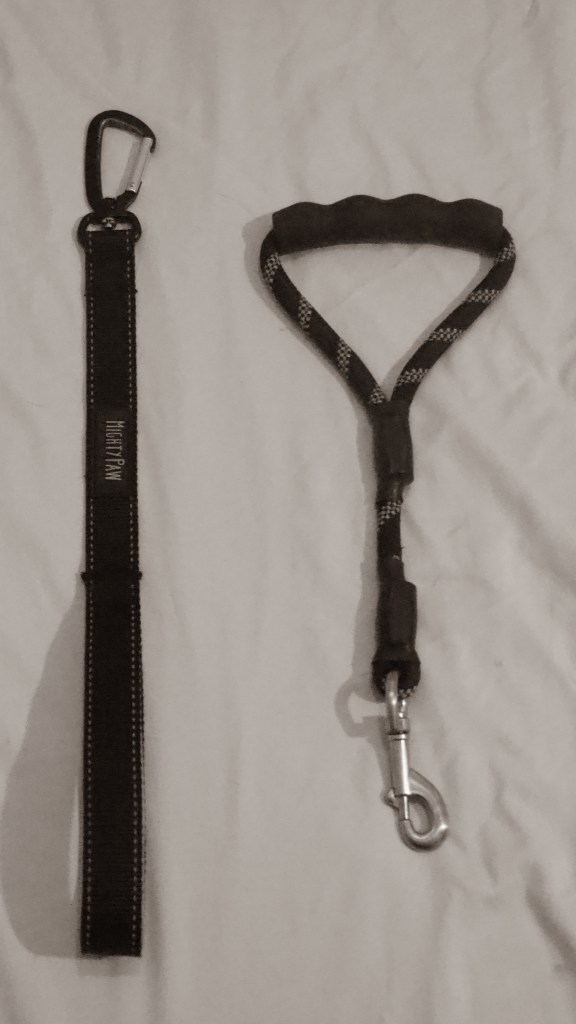
Traffic Leads
Traffic leads are super short handles that can be used as a supplementary lead. They allow owners to hold their dog super close to them. They can also be used for dogs who are off leash trained, so their owner can hold them to give other people peace of mind while walking by.
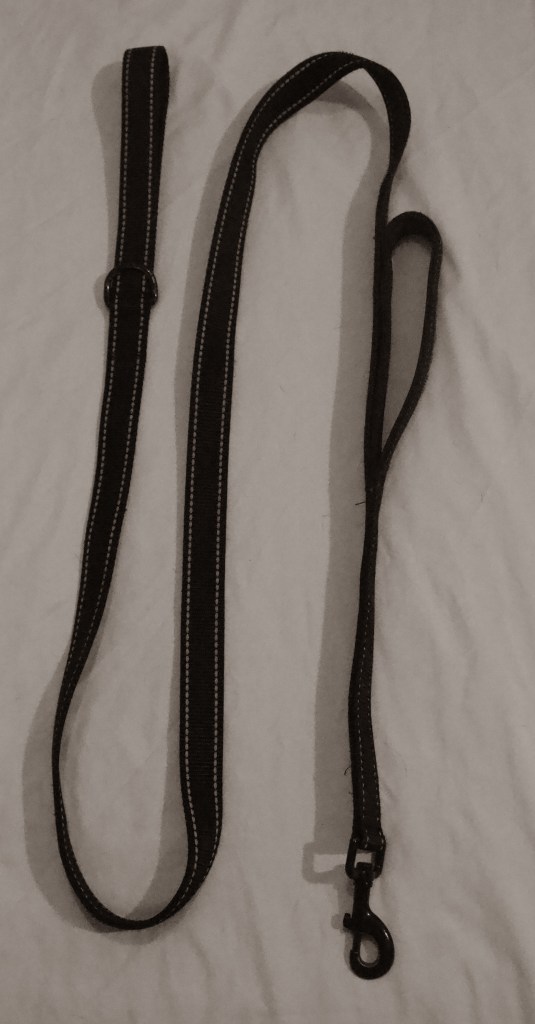
Dual Handled Leashes
Dual handle leashes are a great combination of traffic leads and traditional leashes. They give a dog a normal leash, but leave the owner with a much shorter leash to grab them by if needed.

Bungee Leashes
Bungee leashes can be alluring for those with strong or reactive dogs. They can absorb some of the shock of a dog pulling or lunging, but they sacrifice some control. Since bungee leashes have indeterminate size, dogs may be able to get further from their owner than with a traditional leash.
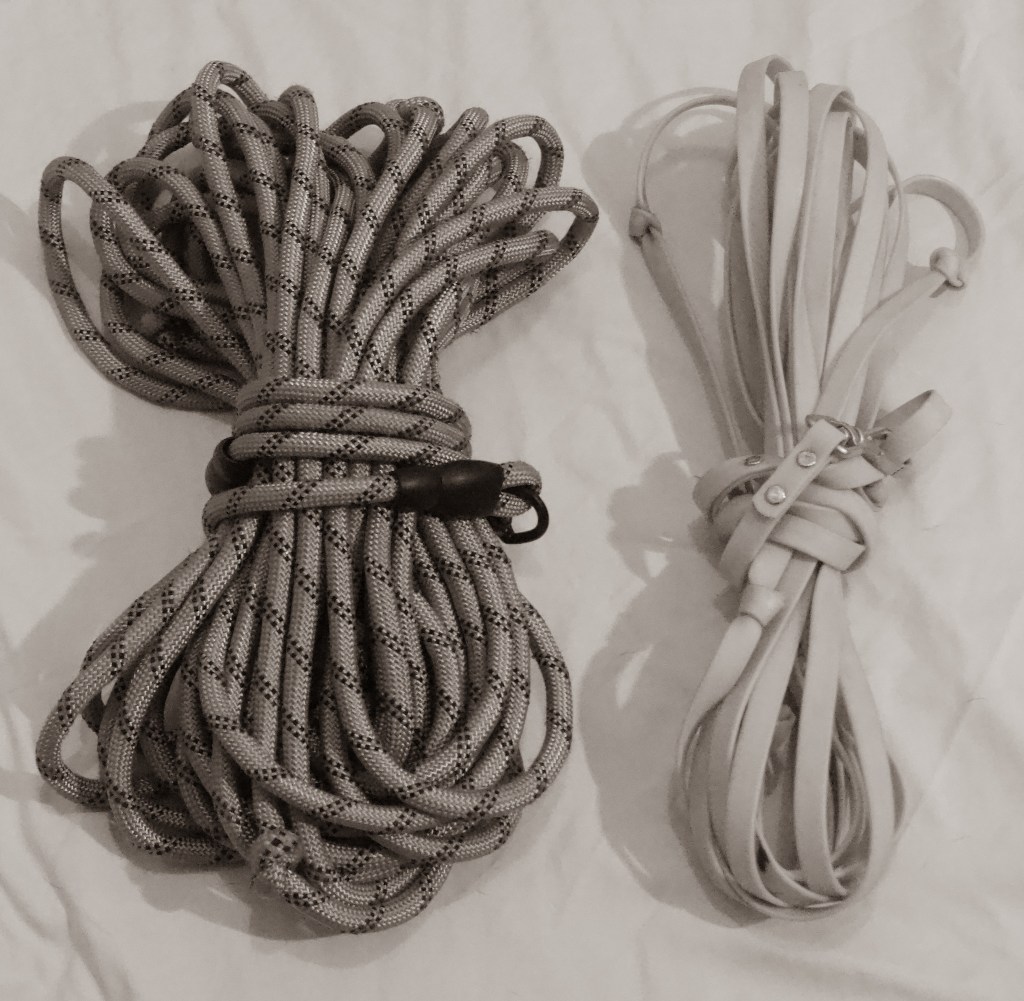
Long Lines
Long lines are leashes over 10 feet that are generally used to give a dog who cannot be off leash more freedom. If you have a dog practicing recall or whose recall just can’t be trusted reliably, a longline is great. They can also be used as a tie out.
Safety and Precautions
One of the best things you can do as a dog owner is to prepare for emergencies you may encounter when out with your dog. Here are some of our favorite tools to keep Bean safe.

Muzzles
Muzzles are a great tool for any dog to be used to wearing. While of course muzzles are great for dogs with behavioral issues, any dog may need a muzzle at some point. Friendly dogs who are scared or in pain may act out of character. So getting your dog used to a muzzle could make vet visits or emergencies easier for your dog.
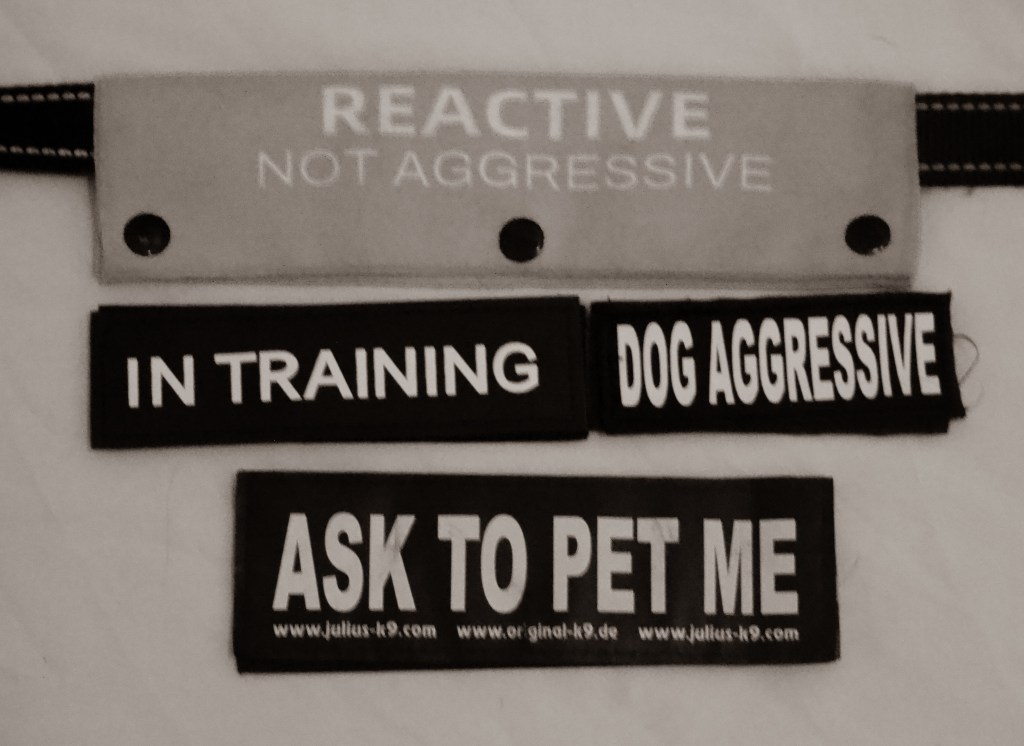
Labeling
If you have a dog with behavioral issues, leash wraps or harness patches can be a great way to communicate to the people around you that your dog needs a little extra space.
Protective Sprays
Compressed air sprays can be great to have on hand if you are in an area with a lot of uncontrolled dogs or wildlife. These sprays can be used to discourage other animals from charging you and/or your dog while on walks.
 Parry's Paws
Leave a comment