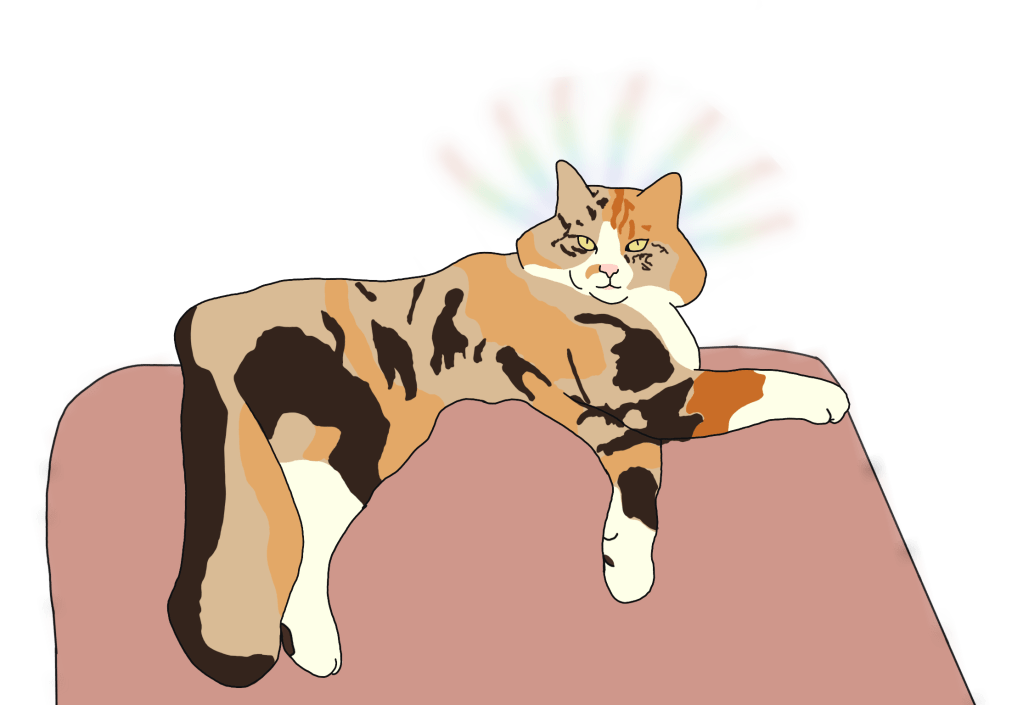
Handling jealousy in housecats
Signs your cat may be jealous
When your cat thinks something is wrong, they are generally quick to announce their displeasure. They may begin vocalizing, relieving themselves in inappropriate places, being destructive, hiding the majority of the time, or being wildly more (or even less) affectionate than usual. If you have recently added a new member to your family, whether that be a furry friend or another person, these may all be signs that your cat is experiencing something akin to what we call jealousy.
Anytime your cat begins displaying behavior that is wildly different from usual, the first step is to take them to the vet. Cats sometimes use these behaviors to express discomfort, so always rule out medical concerns before behavioral ones.
Why do cats get jealous
Most creatures struggle with significant changes in their environments. Cats are especially sensitive to this as they are routine driven creatures who grow fairly attached to things being as they expect. When bringing home another creature, your cat’s environment will be changed in more ways than you may know. Your cat can get anxious about these changes, and those negative feelings about the changes in their environment may manifest in what looks to us like jealousy.
Take bringing a new puppy home, for example. Your cat is probably used to a quiet, calm home. With the introduction of a puppy, your cat is now faced with their beds smelling like dog, possible crying when you leave the house, being chased or nipped at as they try and nap on the couch. Not only that, but their human may not be feeding them on time as reliably as they used to, may be spending more time keeping the puppy out of trouble than petting them, and overall adding stress to your cats life.
This is not to say that bringing home a new friend is a bad thing for your cat. After adjusting to their new housemate, they may learn to enjoy their company or even make friends. Just keep in mind that drastically changing the environment in your home may be stressful for your furry friend.
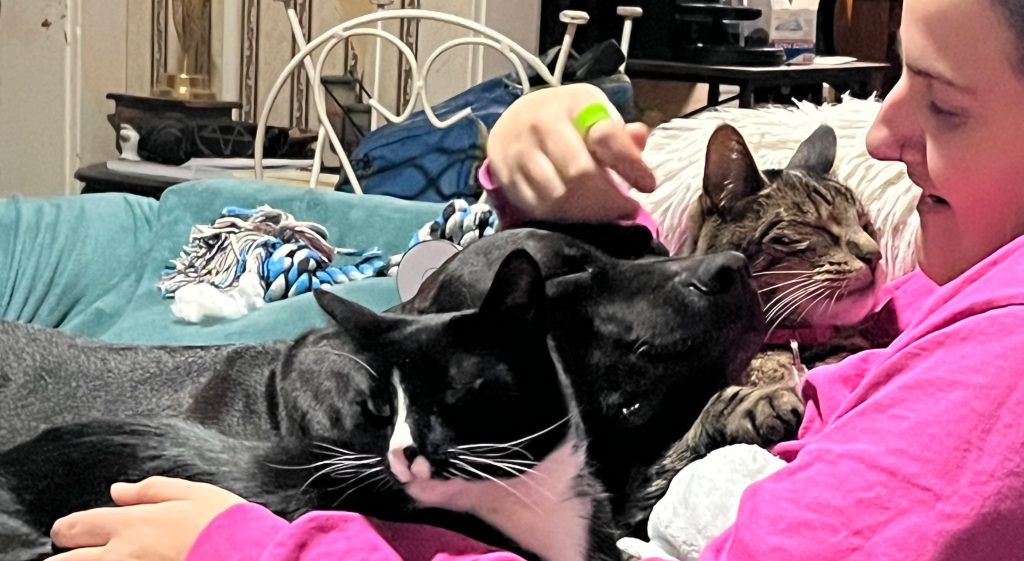
Dealing with a jealous cat
There are numerous things you can do to try and alleviate this jealousy in your furry friend:
- Most importantly, try not to get angry or discipline your cat for misbehavior. I know it’s hard not to get upset with your cat for misbehaving, especially when you’re already coping with changes in your household, but remember your cat is adjusting too. You can find temporary ways to protect your home from kitty misbehavior while your cat adjusts. Punishing them will only make them feel more anxious. Look into scratch guards to prevent scratching on furniture or waterproof peepads/blankets to prevent damage from inappropriate peeing.
- Personal Space– some cats are very particular about their personal space. Make sure your kitty has places to go where they can be away from their new family member when they need a little quiet time.
- Routine– try and keep your kitty’s general routine consistent. Cats like knowing when things are going to happen. Keeping their routine the same helps them to cope with the other changes sharing their home might bring.
- Attention– Make sure your cat is still getting plenty of attention. This one seems like an obvious one, but giving your cat attention at times or in places you ordinarily would helps them to feel less displaced than if you suddenly get a new movie night snuggle buddy. You may find that your cat needs more attention than they used to to feel included.
- Diffusers and scents– there are numerous stress-reducing diffusers and sprays on the market for cats. These may help relieve stress in your cat, but they are only effective for some kitties. You can also use other scents to help provide your cat with enrichment activities or to create positive experiences between your cat and their new friend. Giving your cat catnip in their safe space or when supervised with their new housemate can help them see the new things in their environment as less stressful. Cats also explore the world with their nose, so introducing them to novel scents may be a fun and enriching activity for your kitty.
- Play– Making sure that your cat is getting enough playtime is also important when their environment has changed. Play (especially with their human) can help cats relieve stress and get out energy. This may also help your cat to be more calm around the new housemate, as they aren’t full of pent-up energy. This is also a form of attention that they may have received before the new addition that can help their environment feel less new.
- Positive association– make sure that your cat has positive experiences with the new addition to your household. That may mean keeping your kitty at a safe distance for a time if you’re bringing home something young with grabby hands or sharp teeth. You should, however, make sure that when your cat chooses to explore their new friend, they do so in a safe and positive manner.
- Training– believe it or not, you can train cats. Not only can this be a good bonding exercise, but this is something that can be especially helpful when integrating them with another creature. You can reward your cat with treats, praise, or attention for good behavior. This can then be used when your cat is checking out something new or when trying to teach your cat to disengage from situations making them uncomfortable.
Here’s an example of training with cats, featuring my cat Mars:


Leave a Reply